


Conservation
Quokka Food Co was created with a simple idea: to make healthy snacks that feel connected to something bigger.
Australia is home to some of the most unique animals on earth, many of which are facing serious threats. By pairing our freeze-dried fruit products with native wildlife, we want to help people discover, appreciate and care about these species in a small but meaningful way.
This is only the beginning, but our long-term goal is to use our business to support conservation, education and a deeper connection with the natural world.


For Quokka Conservation
↓
Quokkas
(Setonix brachyurus)
Status: Vulnerable
Quokkas are small marsupials native to south-west Western Australia, best known from Rottnest Island. Though famous for their friendly appearance, they are listed as Vulnerable and remain threatened by habitat loss, bushfire and introduced predators.
Koalas
(Phascolarctos cinereus)
Status: Endangered
Koalas are iconic tree-dwelling marsupials found across eastern and southeastern Australia, from Queensland through New South Wales, Victoria, and South Australia. They rely mainly on eucalypt forests and woodlands, but many populations are under pressure from habitat loss, disease, bushfire, drought, climate change, and vehicle strikes. In Queensland, New South Wales, and the ACT, koalas are listed as endangered under national environmental law.

Platypus

(Ornithorhynchus anatinus)
Status: Near Threatened
Platypuses are unique egg-laying mammals found only in Australia, living in freshwater rivers, creeks and lakes across eastern Australia and Tasmania. They are currently listed as Near Threatened globally, with some state populations under greater pressure, including Endangered in South Australia and Vulnerable in Victoria. Their main threats include habitat loss, riverbank erosion, drought, altered water flows, pollution, fishing-line entanglement and climate change.
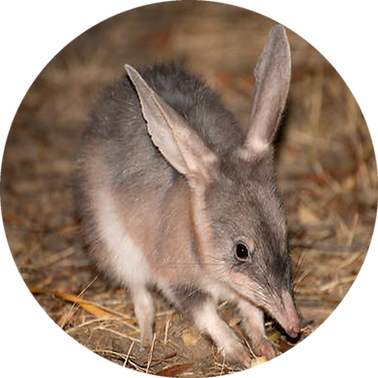
Greater Bilby
(Macrotis lagotis)
Status: Vulnerable
Greater Bilbies are nocturnal, burrowing marsupials found only in Australia, recognised by their long silky ears, pointed snout and black-and-white tail. Once widespread across much of inland Australia, they now survive mainly in arid and semi-arid regions of Western Australia, the Northern Territory, Queensland and protected reintroduction sites. They are listed as Vulnerable under national environmental law, with major threats including feral cats and foxes, changed fire regimes, habitat loss, grazing pressure and competition with rabbits.

Northern hairy-nosed wombat
(Lasiorhinus krefftii)
Status: Critically Endangered
Northern hairy-nosed wombats are one of the world’s rarest large mammals, found only in Queensland. Once reduced to about 35 animals in the 1980s, intensive conservation has helped the population grow to more than 400, mainly from Epping Forest National Park, with new protected populations being established near St George. They are listed as Critically Endangered, with major threats including small population size, drought, disease risk, habitat pressure and predation by wild dogs.
Numbat
(Myrmecobius fasciatus)
Status: Critically Endangered
Numbats are small, striped marsupials found only in Australia and are one of the few marsupials active during the day. They feed almost entirely on termites and were once widespread across southern Australia but now survive mainly in small populations in south-west Western Australia, with some reintroduced populations in protected areas. Numbats are listed as endangered, with major threats including habitat loss, foxes, feral cats, frequent intense fires and small isolated populations.


Tasmanian Devil
(Sarcophilus harrisii)
Status: Endangered
Tasmanian Devils are carnivorous marsupials found only in Tasmania and are now the world’s largest living marsupial carnivore. They play an important ecological role as scavengers and predators, helping clean up carrion and maintain balance in Tasmanian ecosystems. They are listed as endangered under national and Tasmanian law, with major threats including devil facial tumour disease, vehicle strikes, habitat loss, small population pressures and climate change.
Malleefowl
(Leipoa ocellata)
Status: Endangered
Malleefowl are ground-dwelling Australian birds found in semi-arid mallee shrublands and low woodlands across southern Australia. Unlike most birds, they build large nesting mounds of sand and leaf litter, using the heat from decomposing vegetation to incubate their eggs. They are listed as vulnerable under national environmental law, with major threats including habitat clearing and fragmentation, inappropriate fire regimes, grazing pressure, feral predators, climate change and small isolated populations.

Quoll

(Dasyurus)
Status: Critically Endangered
Quolls are spotted carnivorous marsupials found in Australia and New Guinea, often called “native cats,” though they are not cats. Australia has four species: the Northern, Western, Eastern and Spotted-tailed Quoll, each playing an important role as predators and scavengers. Many populations have declined due to habitat loss, foxes, feral cats, cane toads, road strikes, inappropriate fire regimes and small isolated populations.
Mountain pygmy-possum
(Burramys parvus)
Status: Endangered
Mountain Pygmy-possums are tiny alpine marsupials found only in the high mountains of Victoria and New South Wales. Once known only from fossils, they were rediscovered alive in 1966 and are now Australia’s only mammal restricted to alpine and subalpine boulderfields. They are listed as Endangered under national environmental law and Critically Endangered globally, with major threats including climate change, reduced snow cover, ski resort development, feral cats and foxes, habitat fragmentation, bushfire and declines in their key food source, the Bogong moth.

Little Penguin

(Eudyptula minor)
Status: Threatened
Little Penguins are the world’s smallest penguins, found along Australia’s southern coastline and around parts of New Zealand. They nest in burrows, rock crevices or sheltered coastal vegetation and return to land after dark. Although the species is generally listed as Least Concern globally, some local colonies are under serious pressure, including the endangered Manly population in Sydney. Major threats include habitat disturbance, dogs and foxes, vehicle and boat strikes, marine pollution, reduced food availability, coastal development and climate change.
Brush-tailed rock wallaby
(Petrogale Penicillata)
Status: Vulnerable
Brush-tailed Rock-wallabies are agile, cliff-dwelling marsupials found in rocky escarpments, gorges and rugged ranges of eastern Australia, from Queensland through New South Wales into Victoria. Once more widespread, they have declined severely and are listed as Vulnerable under national environmental law. Their main threats include foxes and wild dogs, feral goats, habitat loss and fragmentation, inappropriate fire regimes, small isolated populations and loss of genetic diversity.

Swift parrot

(Dasyurus)
Status: Critically Endangered
Swift Parrots are small, brightly coloured migratory parrots that breed only in Tasmania and fly to mainland south-eastern Australia in winter to feed on flowering eucalypts. They are listed as Critically Endangered under national environmental law, with major threats including loss and degradation of breeding and foraging habitat, predation by introduced Sugar Gliders in Tasmania, collisions with windows and fences, and the risks of a small declining population.
Regent honeyeater
(Burramys parvus)
Status: Endangered
Regent Honeyeaters are striking black-and-yellow woodland birds found in south-eastern Australia, mainly in remnant box-ironbark forests and other flowering eucalypt woodlands. Once more widespread, they are now listed as Critically Endangered under national environmental law, with only a very small wild population remaining. Their main threats include habitat loss and fragmentation, reduced flowering eucalypt food sources, small population size, low breeding success, nest predation and competition from larger honeyeaters.

Rare black cockatoo

(Eudyptula minor)
Status: Threatened
Rare black cockatoos, including Carnaby’s Cockatoo, Baudin’s Cockatoo and the Forest Red-tailed Black-cockatoo, are iconic birds of south-west Western Australia. They rely on old hollow-bearing trees for nesting and native woodlands, forests and heathlands for food. All three species are threatened under national environmental law, with major pressures including habitat clearing, loss of nesting hollows, declining food sources, vehicle strikes, climate change and small declining populations.
Western Swamp Tortoise
(Petrogale Penicillata)
Status: Vulnerable
Western Swamp Tortoises are tiny freshwater turtles found only in Western Australia, making them one of Australia’s rarest reptiles. They live in shallow seasonal swamps near Perth, where they feed during the wet months and aestivate underground when the swamps dry out. They are listed as Critically Endangered, with major threats including habitat loss, drying wetlands, climate change, foxes, cats, rats, fire, pesticides and their very small population size.

Leadbeater’s possum

(Dasyurus)
Status: Critically Endangered
Leadbeater’s Possums are tiny, tree-dwelling marsupials and Victoria’s faunal emblem, mostly found in the wet mountain ash and alpine ash forests of Victoria’s Central Highlands, with a newly discovered population recorded in Kosciuszko National Park in New South Wales in 2025. They are listed as Critically Endangered under national and Victorian law, with major threats including loss of hollow-bearing trees, bushfire, habitat fragmentation, climate change, and the long recovery time needed for old-growth forest habitat to form.
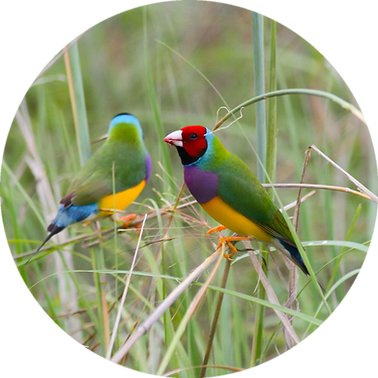
Gouldian finch
(Burramys parvus)
Status: Endangered
Gouldian Finches are brightly coloured grass-finches found only in northern Australia, mainly across the savannas of the Kimberley, Northern Territory and parts of Queensland. Once common, they have declined due to altered fire regimes, grazing pressure, habitat change and reduced availability of grass seeds and nesting hollows. They are listed as Endangered under national environmental law, with conservation work focused on protecting savanna habitat, managing fire, restoring food plants and supporting safe nesting sites.

Gilbert’s potoroo
(Eudyptula minor)
Status: Threatened
Gilbert’s Potoroos are tiny nocturnal marsupials found only in south-west Western Australia and are considered the rarest marsupials in the world. Once thought extinct until rediscovered at Two Peoples Bay in 1994, they are now listed as Critically Endangered, with only around 100 individuals remaining across one natural population and several translocated safe-haven populations. Their main threats include bushfire, feral cats and foxes, disease, habitat loss, small population size and climate change.
Australia's frogs
Status: Critically Endangered
Australia is home to more than 240 native frog species, from rainforest tree frogs to desert burrowing frogs. Many are important indicators of ecosystem health, but close to 20% of Australian frogs are threatened. Major pressures include chytrid fungal disease, habitat loss, pollution, drought, bushfire, invasive species and climate change. Conservation work focuses on protecting wetlands and forests, improving biosecurity, restoring habitat, captive breeding, reintroductions and creating safe refuges for highly threatened species.

australian sea lion

(Dasyurus)
Status: Critically Endangered
Australian Sea Lions are found nowhere else on Earth, breeding only along the coasts and offshore islands of South Australia and Western Australia. They are listed as Endangered under national environmental law, with fewer than 12,000 estimated to remain. Their main threats include fisheries bycatch, marine debris entanglement, disease, pollution, climate change and the vulnerability of small isolated colonies.
hawksbill sea turtle
(Burramys parvus)
Status: Endangered
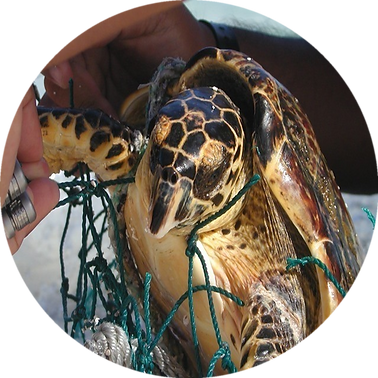
Hawksbill Sea Turtles are tropical marine turtles known for their narrow, beak-like mouth and beautifully patterned shell. In Australia, they live mainly around coral and rocky reefs in northern waters, including the Great Barrier Reef, Torres Strait, the Northern Territory and Western Australia. They are listed as Vulnerable under Australian national environmental law and Critically Endangered globally, with major threats including illegal tortoiseshell trade, fisheries bycatch, ghost nets, marine debris, coral reef decline, coastal development and climate change.
Leatherback sea turtle

(Eudyptula minor)
Status: Threatened
Leatherback Sea Turtles are the world’s largest living turtles and the only sea turtles without a hard, scaly shell. In Australia, they occur in tropical and temperate waters, mostly as feeding migrants along parts of eastern, southern and south-western Australia. They are listed as Endangered under national environmental law and Vulnerable globally, with major threats including fisheries bycatch, entanglement, plastic pollution, marine debris, vessel strikes, climate change and disturbance or loss of nesting beaches overseas.
Brush Tailed Bettong

(Bettongia Penicillata)
Status: Endangered
Brush-tailed Bettongs, also known as Woylies, are small nocturnal marsupials found only in Australia. Once widespread across much of mainland Australia, they are now mainly restricted to remnant and reintroduced populations in south-west Western Australia and protected conservation reserves. They are listed as Endangered under national environmental law, with major threats including feral cats, foxes, habitat loss, altered fire regimes, small isolated populations and possible disease.
